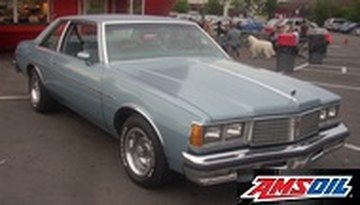
Maintaining Lubrication Integrity for the 1981 Pontiac LAURENTIAN 5.0L
Proper engine care for a vehicle of this era requires a focus on consistent monitoring and proactive inspection. For owners of a 1981 Pontiac LAURENTIAN with the 5.0L engine, maintaining the lubrication system is a fundamental aspect of long-term mechanical health. Because older engines operate under specific mechanical tolerances, the quality and condition of the fluids used are vital to preventing unnecessary wear and ensuring smooth operation.Monitoring Fluid Condition and Potential Leaks
One of the most effective ways to monitor the health of the 5.0L engine is through regular visual inspections. Rather than waiting for a visible puddle to form on the driveway, owners should look for signs of seepage around various sealing surfaces. Over time, gaskets and seals can undergo changes in elasticity due to heat cycles and age. When performing a routine check, inspect the area surrounding the engine block and any accessible mating surfaces for evidence of dampness or residue. If you notice oil accumulating on the exterior of the engine, it may indicate that a seal is beginning to weep. Additionally, checking the appearance of the lubricant itself can provide clues about engine health. Oil that appears excessively dark, gritty, or contains visible particulates warrants closer investigation. While some discoloration is expected as oil ages and collects contaminants, significant changes in texture or color can be associated with various internal processes or extended service intervals.Observing Operational Warning Signs
Maintaining awareness of how the vehicle behaves during operation is a key component of preventive maintenance. Changes in engine behavior can often serve as early indicators that the lubrication system requires attention. If you notice an unusual smell, such as a burning odor after driving, it may indicate that lubricant is contacting a hot external surface. Furthermore, any unexpected changes in how the engine sounds during startup or while idling should be noted. While mechanical noises can stem from many different sources, monitoring for new or changing sounds helps establish a baseline of what is normal for your specific 5.0L engine. It is also important to monitor for any signs of unusual consumption. If you find that the fluid level on the dipstick is dropping more rapidly than expected between service intervals, this should be investigated. Such changes can be caused by various factors, and identifying the cause early through inspection can prevent more significant issues later. Always remember that a single symptom does not provide a definitive diagnosis; rather, it serves as a prompt to perform a more thorough mechanical review.Prioritizing Maintenance Based on Current Condition
For an older vehicle like the 1981 Pontiac LAURENTIAN, maintenance priorities should be dictated by the actual condition of the components rather than just the age of the car. If you have recently acquired the vehicle and do not have a complete service history, your first priority should be establishing a maintenance baseline. This process involves:- Reviewing any available service records to understand what has been replaced or serviced in the past.
- Performing a comprehensive inspection of all fluids and their respective levels.
- Checking the condition of age-sensitive components, such as accessible belts (if equipped) and various hoses, for signs of cracking, glazing, or deterioration.
- Documenting current observations to serve as a reference point for future inspections.
Long-Term Ownership and Record Keeping
Effective long-term ownership of a 1981 Pontiac LAURENTIAN involves more than just periodic oil changes; it requires diligent record-keeping. Maintaining a detailed log of all fluid changes, filter replacements, and mechanical repairs provides an invaluable history for the vehicle. A well-maintained service log allows you to identify patterns, such as how quickly certain components are aging or if specific fluids are being consumed at an unusual rate. This documentation is also helpful when attempting to diagnose new issues, as it helps rule out recent service work as a potential cause. For owners of classic or older vehicles, these records can also be a testament to the care provided to the engine throughout its lifespan.Managing Aging Components and Systems
As engines age, certain systems may require more frequent attention. Beyond the lubrication system, it is wise to keep an eye on the overall environment in which the engine operates. This includes inspecting electrical connections for corrosion or looseness and ensuring that the air filtration system is clean and free of obstructions. If the vehicle is equipped with various belts or hoses, these should be checked regularly for signs of physical degradation. While it is not necessary to replace every component simply because it has reached a certain age, being aware of the condition of these materials allows for planned maintenance rather than reactive repairs. Consistent monitoring helps ensure that the engine remains in a stable operating environment.Practical Guidance for BUYING ENGINE OIL for your 1981 Pontiac LAURENTIAN 5.0L
When it is time to replenish your engine's lubricant, the most important step is to match the product to the specific requirements of your application. Because different engines have unique needs regarding chemical composition and flow characteristics, you must rely on the technical data provided for your specific vehicle. To ensure you are selecting the correct product:- Match the engine oil to the application-specific viscosity information already displayed on this webpage. Do not attempt to use a grade that differs from the one listed in your vehicle's documentation.
- Check the product labeling carefully to ensure it meets the appropriate API service classifications for your needs.
- Consider the formulation type available, such as conventional, synthetic blend, or full synthetic, based on your specific driving habits and the information provided in your application guide.
- If you are operating an engine with higher mileage, you may choose to look at high-mileage formulations that contain additives intended for use in aging engines.